

Iron diagnostics powered by quantum
Our Vision
A world where iron disorders are diagnosed early & managed effectively

Iron is essential
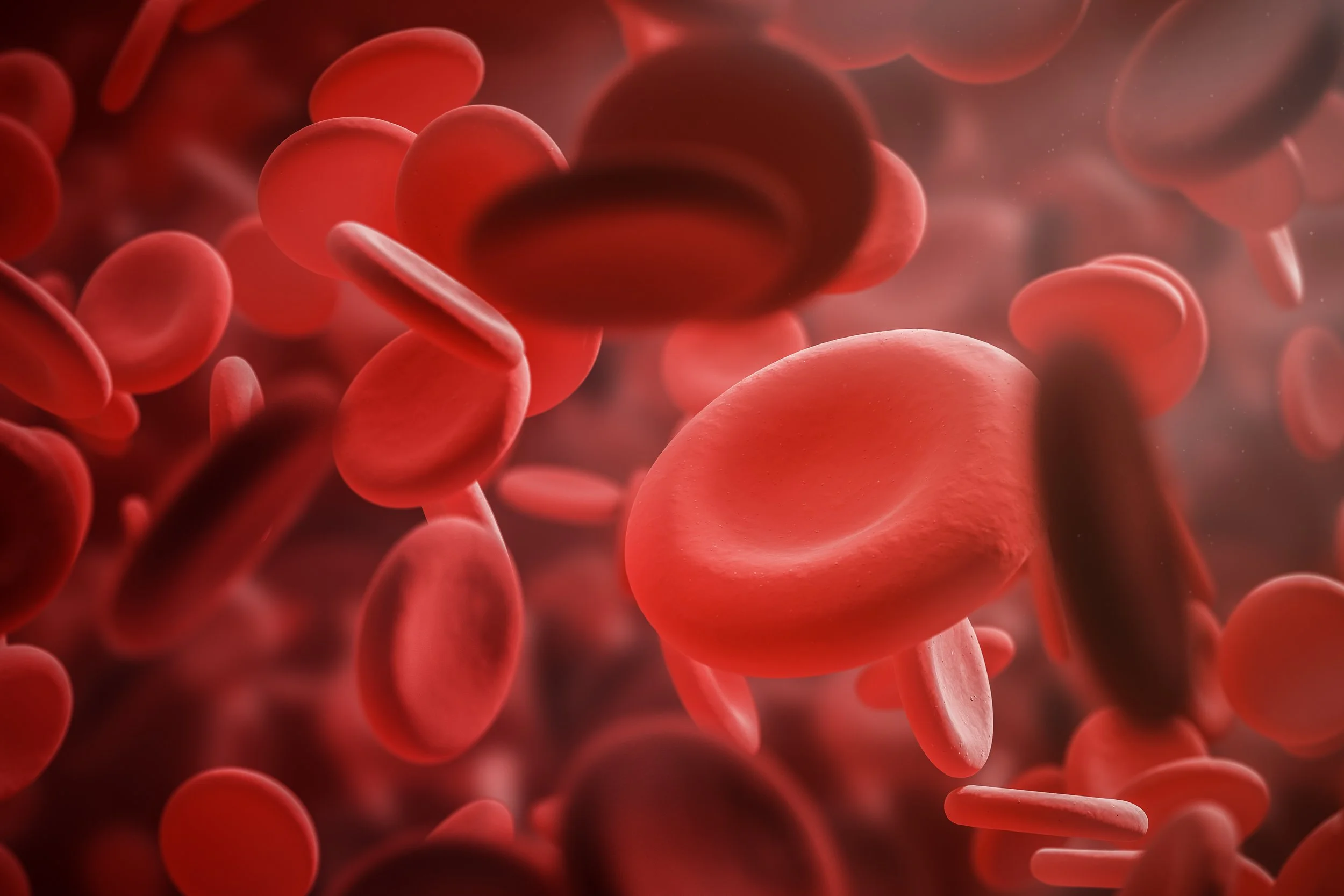
It carries oxygen in the blood, fuels our energy, supports brain development and immune function, & underpins our physical performance.
Too little iron leaves us fatigued, foggy & vulnerable, & decreases our immune response, leaving us prone to infection. Too much iron also leaves us fatigued & foggy, & iron build up can damage our organs over time.
Getting iron levels right is fundamental to optimising health & performance at every stage of life.
That’s why we’re developing FeBI
FeBI uses nanodiamond quantum-sensors to measure the iron bound in serum ferritin.
Our aim is to provide the first direct clinical measure of your circulating iron stores.
Enabling you to adjust your iron intake to optimise your health & performance.
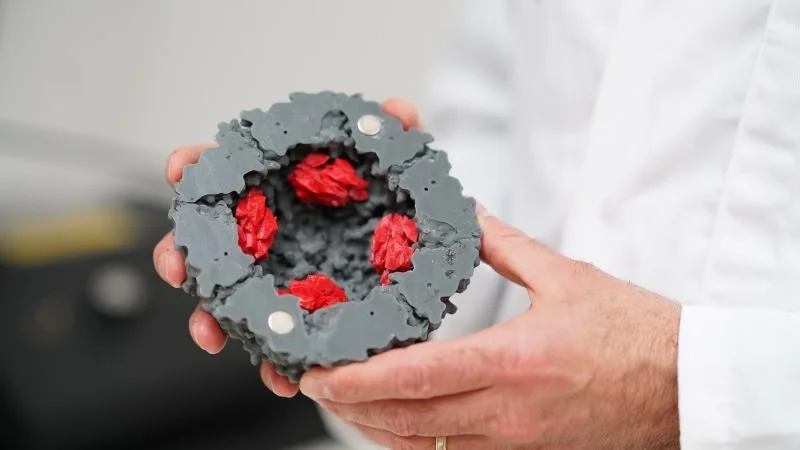
A 3D model of the ferritin iron storage protein with bound iron stores (red). FeBI measures the magnetic signal of these iron stores to provide a direct measure of the iron inside ferritin.

Iron disorders are a global health challenge
>2 billion people are living with an iron disorder
Anaemia is one of the most common & intractable nutrient deficiencies in the world. It can be caused by dietary deficiencies infectious diseases, or inherited conditions such as thalassaemia. Women and children have the highest risk.
1 in 5 women are affected by iron deficiency
Iron deficiency is the leading cause of anaemia. It results in low haemoglobin & impaired ability for the blood to carry oxygen to the organs and tissues. Anaemia is preventable and treatable. WHO is aiming to reduce anaemia prevalence in women by 50%.
Iron overload is a leading genetic disorder
1 in 200 people of northern European descent have the genes for hereditary haemochromatosis, an inherited iron overload disorder. These individuals absorb too much iron from their diet, which is then stored in the body & leads to iron overload over time.
DEVELOPED BY RESEARCHERS AT


